





Understanding Golf Wedge Degrees
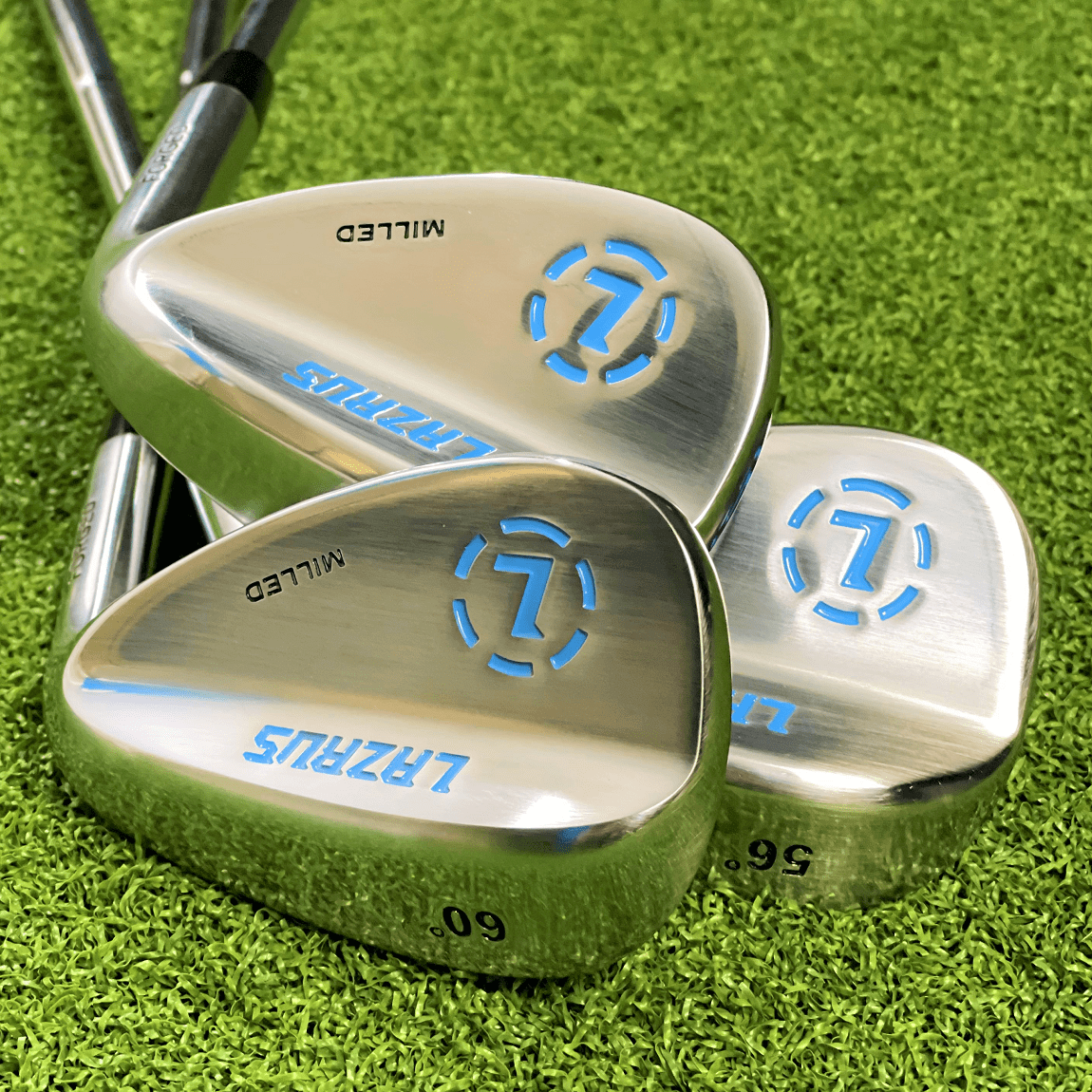
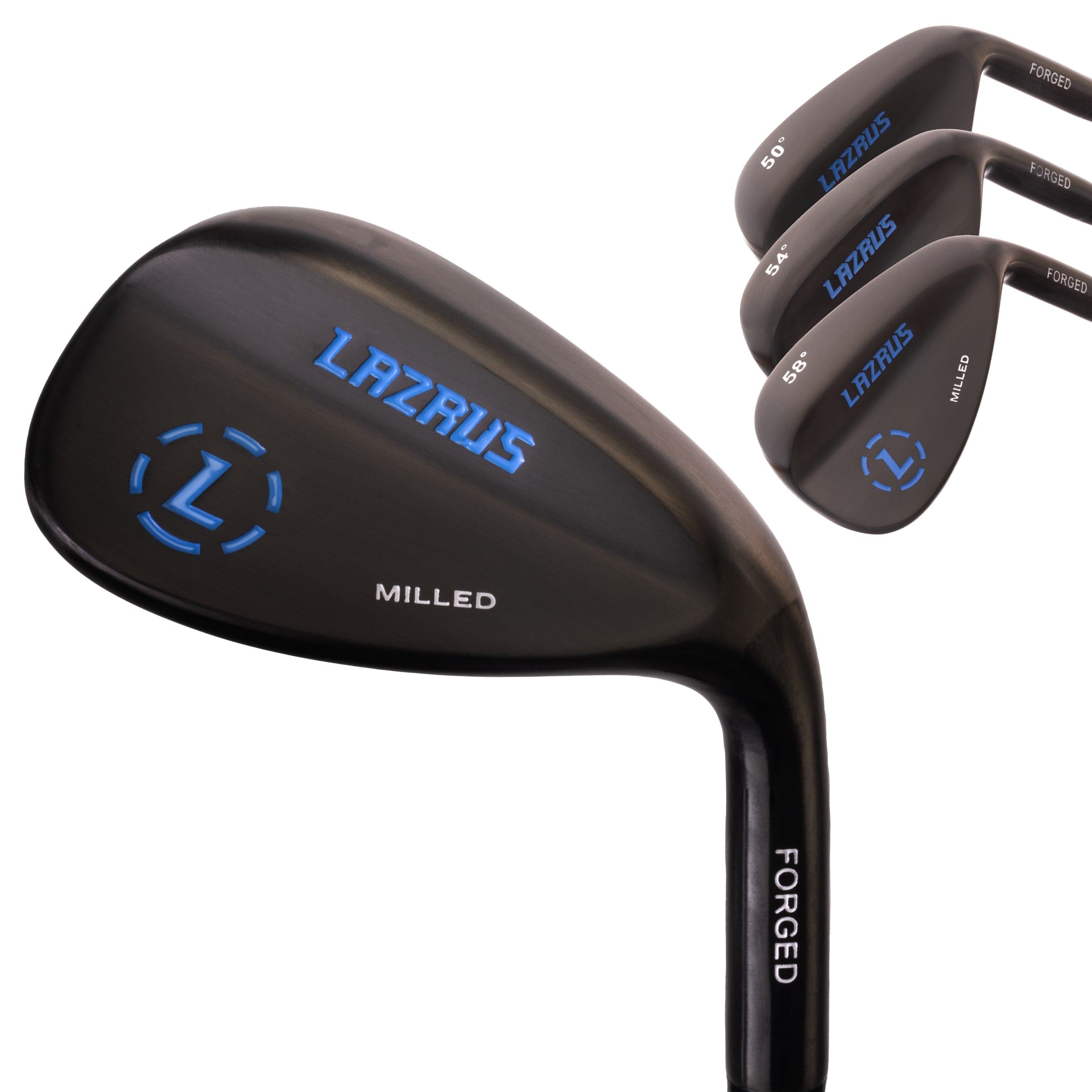
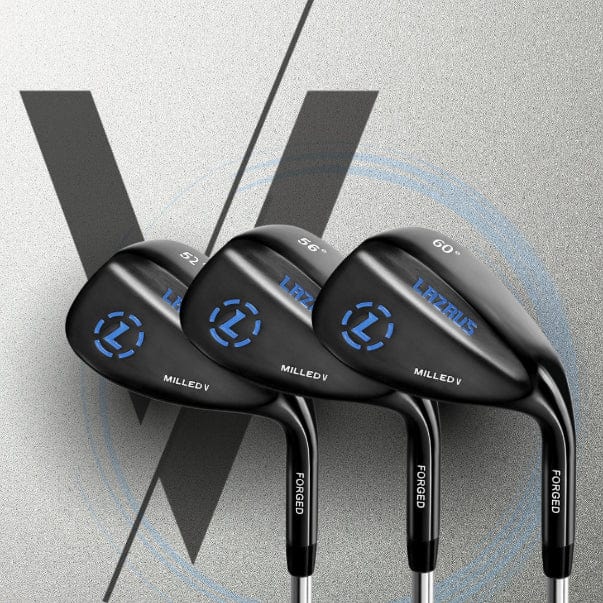
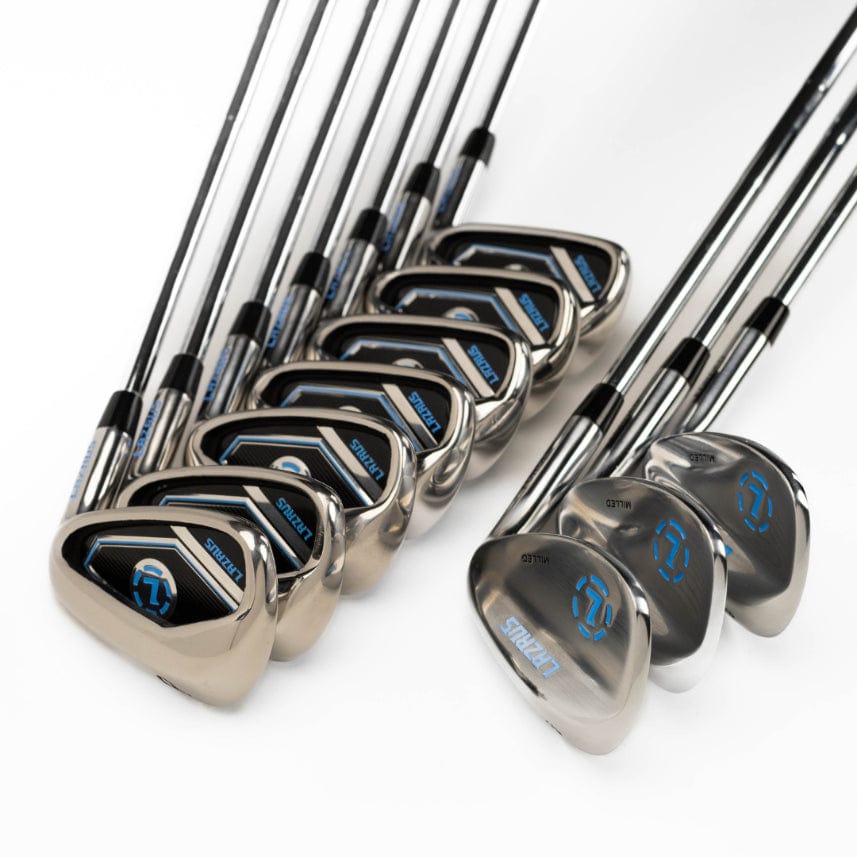
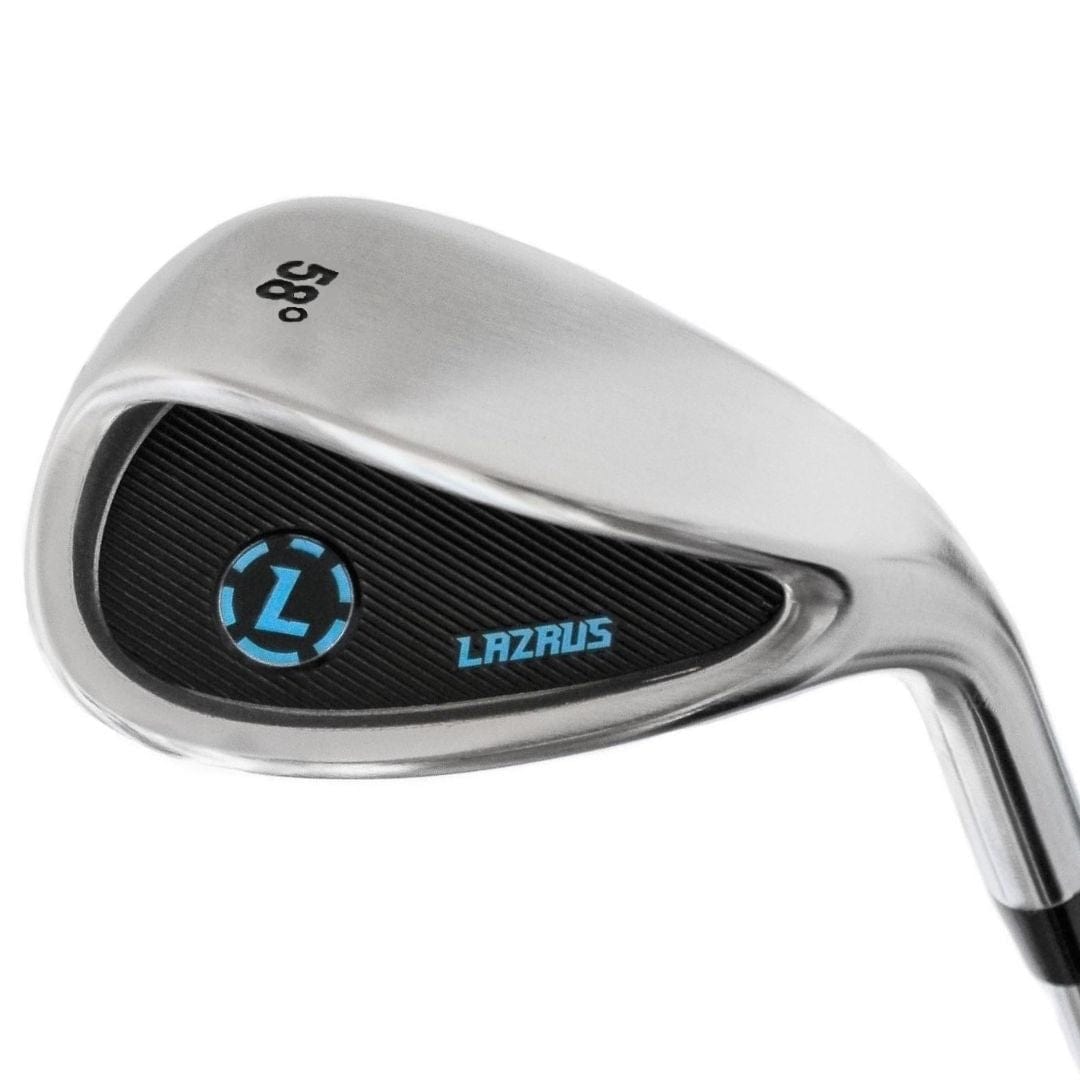
Ready to upgrade your short game? Shop every wedge golf club LAZRUS makes — including the forged 52, 56 & 60 degree wedge set and the 50, 54 & 58 set (from $79).
When it comes to improving your short game, understanding the different degrees of golf wedges is critical. Each wedge is designed for a specific purpose, allowing players to execute precision shots that improve overall performance. From controlling trajectory and spin to managing distance, wedges are among the most versatile clubs in a golfer’s bag. Whether you're just beginning to build your skills or you're a seasoned player refining your technique, having a solid grasp of wedge degrees can make all the difference on the course.
In this comprehensive guide, we’ll break down the types of golf wedges, explain their degrees and uses, and provide tips to help you choose the perfect wedges for your game.
What Is a Golf Wedge?
A golf wedge is a type of club specifically designed for short-distance shots that require high accuracy and control. These clubs are most commonly used for approach shots, chips, bunker play, and pitching around the green. Unlike drivers or long irons, wedges are built to deliver lofted shots that stop quickly on the green, making them indispensable for scoring opportunities.
The defining feature of a wedge is its high loft angle, which allows players to hit the ball with a steep trajectory. This steep angle not only helps with accuracy but also imparts spin on the ball, giving players more control over how the ball behaves after it lands. Wedges are essential for navigating challenging situations, such as getting out of bunkers, clearing hazards, or making delicate shots from rough terrain.
Understanding the unique features of wedges and how they contribute to your game can help you determine the best clubs to include in your set.
Golf Wedge Degree and Distance Chart
The loft angle of a wedge significantly impacts the distance and trajectory of your shots. Here’s a detailed breakdown of the degree ranges and average distances for each type of wedge:
|
Wedge Type |
Loft Angle |
Average Distance |
|
Pitching Wedge |
44° - 48° |
110 – 130 yards |
|
Gap Wedge |
50° – 54° |
90 – 110 yards |
|
Sand Wedge |
54° – 58° |
80 – 100 yards |
|
Lob Wedge |
58° – 64° |
50 – 80 yards |
These averages serve as a general guideline, but distances can vary depending on factors like swing speed, ball type, and course conditions. For example, a golfer with a slower swing speed might not achieve the same distance as someone with a faster swing. Additionally, the type of ball you use—whether it’s designed for distance or spin—can also influence how far you hit each wedge.
Knowing these distances helps you make better decisions on the course, ensuring you have the right club in hand for each shot.
Types of Golf Wedges
Pitching Wedge
A pitching wedge is 44° to 48° of loft, and it's the one wedge you almost certainly already own. It comes standard with your iron set, sitting right below your 9-iron. For most everyday golfers that means full approach shots from 110 to 130 yards, where you need accuracy and enough height to hold the green. It also doubles as a bump-and-run club: land it short, let it release, and the ball chases toward the hole with far less risk than a flopped lob. Here's the call we'd make. If the pin is 110 yards out and you can swing freely, hit the pitching wedge. If you find yourself throttling back to 80 percent to keep it from flying long, that's a gap wedge shot, not a pitching wedge shot. Check the loft stamped on your iron set before you buy anything else.
Gap Wedge
The gap wedge, also known as an approach wedge, bridges the distance between the pitching wedge and sand wedge. With lofts ranging from 50° to 54°, it offers greater precision for mid-range shots where a pitching wedge may overshoot the target. This wedge is ideal for players who need to control spin and trajectory for shots that land softly on the green. Gap wedges are especially useful for approach shots from the fairway or rough, giving you more options to fine-tune your short game. Want the full picture on this club specifically? Read our complete guide to the gap wedge for how to pick the right loft and hit it consistently.
Sand Wedge
A sand wedge runs 54° to 58°, and most golfers carry one right in the middle of that band at 54° or 56°. That's the loft you'll find in nearly every wedge set sold, because it does the most jobs well. The reason it works out of a bunker is bounce, not loft alone. The sole is wider and angled so the leading edge rides up rather than digging, which lets the club skim a half inch under the ball and throw sand, ball and all, onto the green. Same idea in fluffy rough. On a full swing, expect 80 to 100 yards of carry. Around the green it handles standard chips and pitches where you want the ball to check rather than release. If you're building out your short game, a 52/56/60 wedge set gives you that middle loft plus even gaps on either side.
Lob Wedge
For maximum loft and control, the lob wedge is the ultimate tool. With lofts ranging from 58° to 64°, it’s designed for short, high-trajectory shots that stop quickly upon landing. Lob wedges are ideal for clearing obstacles such as bunkers or tall grass and are commonly used for flop shots. These wedges require a skilled touch, as the high loft can make it easy to mis-hit the ball if not executed properly. Mastering the lob wedge can give you a significant edge in challenging situations.
How to Choose the Right Wedge Loft
Choosing the right wedge loft depends on your playing style, typical yardages, and the gaps in your current set of clubs. Here are some practical tips to guide your decision:
- Assess Your Yardage Gaps: Start by measuring the distances you hit your irons and existing wedges. The goal is to have even spacing between your clubs to avoid overlaps or large gaps.
- Evaluate Course Conditions: Consider the types of courses you frequently play. If the course has deep bunkers or thick rough, a sand or lob wedge may be more useful. For firmer fairways and tight lies, lower lofts may be more effective.
- Understand Your Swing Style: Players with slower swing speeds may benefit from higher lofts for better control, while faster swingers might prioritize lower lofts for greater distance.
- Invest in Quality Clubs: A set of golf wedges from a trusted brand like LAZRUS Golf ensures durability, spin control, and consistent performance.
Tips for Using Wedges Effectively
To maximize your wedges’ potential, follow these tips:
- Practice from Different Lies: Spend time practicing shots from bunkers, rough, and tight fairways to build confidence and versatility with each wedge.
- Adjust Your Ball Position: Experiment with ball placement in your stance to see how it affects trajectory and spin. For higher shots, place the ball forward; for lower shots, position it further back.
- Control Your Swing: Avoid over-swinging with wedges. A controlled, smooth swing is essential for accuracy and precision.
- Use Premium Gear:High-quality golf balls,gloves, and wedges can make a significant difference in your short game.
Conclusion
Understanding golf wedge degrees is a vital part of improving your short game. With the right knowledge and tools, you can approach each shot with confidence and precision. By selecting the ideal wedges for your game, practicing regularly, and following expert tips, you’ll see measurable improvements in your scoring ability.
Ready to take your short game to the next level? Explore LAZRUS Golf’s collection of premium golf clubs, including our set of golf wedges, and elevate your performance on the course. Don’t forget to check out our golf apparel online for everything you need to look and play your best!
Frequently Asked Questions
What degree is a pitching wedge?
A pitching wedge is 44° to 48°. It comes standard with your iron set, which is why it's the wedge nearly every golfer already owns. Older sets sit closer to 48°, while modern strong-lofted sets run nearer 44°. Check the sole of your club before you plan the rest of your wedge gaps.
What degree is a sand wedge?
A sand wedge is 54° to 58°, and 56° is the loft most golfers actually carry. That middle number pairs cleanly with a 52° gap wedge below it and a 60° lob wedge above it. The wide, bounced sole is what gets you out of sand, so loft is only half the story.
What is the difference between sand wedge degree and pitching wedge loft?
Roughly 10 degrees. A pitching wedge sits at 44° to 48° and a sand wedge at 54° to 58°, which leaves a gap big enough to swallow a 20-yard stretch of the course. That's the hole a gap wedge fills. Keep your wedges 4 to 6 degrees apart and you'll avoid those awkward in-between yardages.
What degree is a lob wedge?
A lob wedge is 58° to 64°, with 60° by far the most common. All that loft sends the ball high and stops it fast, which is exactly what a short-sided pin over a bunker calls for. It also punishes thin contact, so put in range time before you trust it in a round.
How far should a pitching wedge go?
Most everyday golfers carry a pitching wedge 110 to 130 yards on a full swing. Faster swing speeds push past 135, smoother tempos land nearer 100. Your best-ever number is useless for club selection. What matters is the carry you repeat. Hit a dozen balls, drop the two outliers, and average the rest.
How far should a sand wedge go?
Expect 80 to 100 yards of carry from a sand wedge on a full swing, which is 25 to 30 yards shorter than your pitching wedge. Bunker shots follow different math, since you hit sand first and the ball rides out on it. If a 25-yard hole opens up between your clubs, the full wedge lineup is where you close it.
Shop LAZRUS Wedges
Now that you know your wedge degrees, put them to work. Grab the forged 52, 56 & 60 degree wedge set, the 50, 54 & 58 wedge set, or browse all LAZRUS golf wedges & wedge sets — premium spin and control at a fraction of big-brand prices.
SHOP WEDGES


FREE SHIPPING
At Your Door in 2-4 Business Days USA & Canada
30 Day Money Back Guarantee
Not Satisfied? Just Send it Back — We ll Refund You.
1 Year Warranty
Our Products are Backend by a Year Warranty